
Keep Your Family Warm This Winter – With Trustworthy Care from Shemtov Systems!
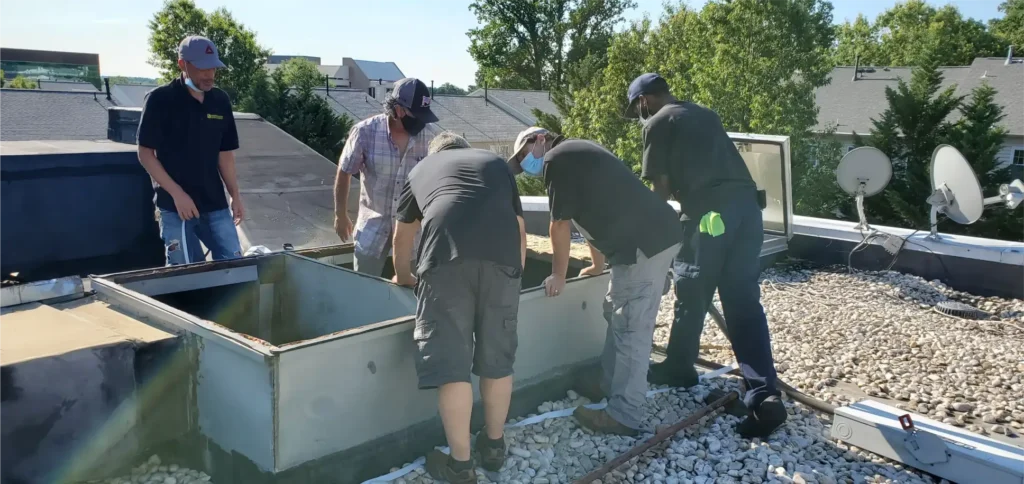
Fall is the perfect time to make sure your home is ready for the colder months. At Shemtov Systems, we treat every home like our own – with honest service, no upselling, and a real commitment to your family’s comfort and safety. A fall HVAC tune-up prevents last-minute breakdowns, keeps your system running efficiently, and gives you peace of mind before winter arrives. We’re a local family-run company trusted by Maryland families for reliable heating and cooling, year after year. Book your fall check-up now and stay warm all season, with people you can truly trust. Shemtov Systems: family values, professional service! A fall heating tune-up is mostly a combustion safety check, not a filter swap. On a gas furnace the technician inspects the heat exchanger and combustion chamber, checks the venting, tests for carbon monoxide, adjusts fuel input and flame, and cleans the blower. NOAA’s current climate normals put the median first 32F night on October 19 at Dulles and November 17 at Reagan National. Shemtov Systems books fall heating work across Silver Spring and Montgomery County at 240-355-3333. Key takeaways A heating tune-up is mainly a safety inspection: heat exchanger, venting, carbon monoxide. Maryland’s alarm law covers rentals and newer fuel-burning homes, not most older ones. A furnace idle since spring fails on dull faults: a filmed flame sensor, a plugged condensate trap. Below its balance point a heat pump runs on strip heat; long cycles and defrost are normal. If heat quits overnight, never warm the house with a gas oven, and protect exposed pipes. What does a fall heating tune-up actually include? The Department of Energy’s furnace and boiler guidance is a fair yardstick. Every system gets the vent pipe and chimney checked, plus the physical integrity of the heat exchanger. Forced-air work adds a crack check on the combustion chamber, a carbon monoxide test, fuel input and flame characteristics, blower control and supply-air temperature, blower cleaning and oiling, soot removal, and duct-joint sealing. Ask what a quoted furnace service covers. Why does an idle furnace fail on the first cold night? Nothing about a furnace improves while it sits. Over a humid Maryland summer a film forms on the flame sensor, so the burner lights and drops out seconds later. Blower bearings stiffen. A cracked ignitor finally opens. On a condensing furnace the condensate trap dries out, then plugs on the first run. Run the heat for an hour in early fall, while parts are still easy to get. How do you know the heat exchanger is not leaking carbon monoxide? Not by smell. The heat exchanger separates combustion gases from the air you breathe, and the Department of Energy warns that a leaking one mixes those gases into house air and can cause carbon monoxide poisoning. Cracks are not always visible, so a technician watches the flame as the blower starts and measures carbon monoxide in the flue and living space. An alarm is a backstop, not a substitute. Where does Maryland require carbon monoxide alarms? Maryland’s Public Safety Article covers rentals and hotels, plus dwellings permitted since January 1, 2008 that burn a fossil fuel for heat, ventilation, hot water, or a dryer. Rentals have needed an alarm outside each sleeping area and on every level, basement included, since April 1, 2018. Older owner-occupied houses often sit outside it, so follow the CPSC: battery backup, every level, outside sleeping areas. How does a heat pump behave differently in a Maryland winter? Every heat pump has a balance point, the outdoor temperature where its output equals the house’s heat loss, which DOE puts well below 40F for code-built homes. Below it, electric strips cover the gap at roughly 3,400 Btu per kilowatt-hour against 10,300 for a 10.3 HSPF unit, now labeled as a lower HSPF2 number. Defrost cycles are normal; strip heat in mild weather is not. DOE says many controls fire the strips on any thermostat change over three degrees. What should you do if the heat fails overnight? Call it in; the 24-hour answering service takes no-heat calls at 240-355-3333. Do not improvise heat: Ready.gov says never heat a home with a gas stovetop or oven, and to run generators outdoors, at least 20 feet from windows, doors, and attached garages. Then the plumbing: pipes in crawl spaces, garages, and exterior walls freeze first. Open cabinets under sinks on outside walls, let one faucet drip, and find the main shutoff. Frequently asked questions What can I check myself before calling? Thermostat batteries, the switch from cool to heat, the service switch, and the breaker. Then the filter: the EPA treats MERV 13 as a floor, capped by what your blower and slot can pass. See our thermostat settings guide. Why does my furnace smell like burning dust on the first run? Summer dust burning off hot metal; it usually clears within an hour. A lingering smell, or an electrical, oily, or gas odor, is different: shut the system down and read our signs your HVAC needs repair guide. What are the symptoms of carbon monoxide poisoning? The CPSC lists headache, dizziness, weakness, nausea, vomiting, sleepiness, and confusion, easy to mistake for a winter bug. Get everyone outside to fresh air, then call 911. Should I switch a heat pump to emergency heat when it gets cold? No. On an all-electric system it locks out the compressor and runs only costly strip heat. Save it for an outdoor unit that is dead or iced solid. To book heating service in Silver Spring, Olney, or anywhere in Montgomery County, call Shemtov Systems at 240-355-3333. Book the inspection before the first freeze, not after it.
A late summer guide to your AC
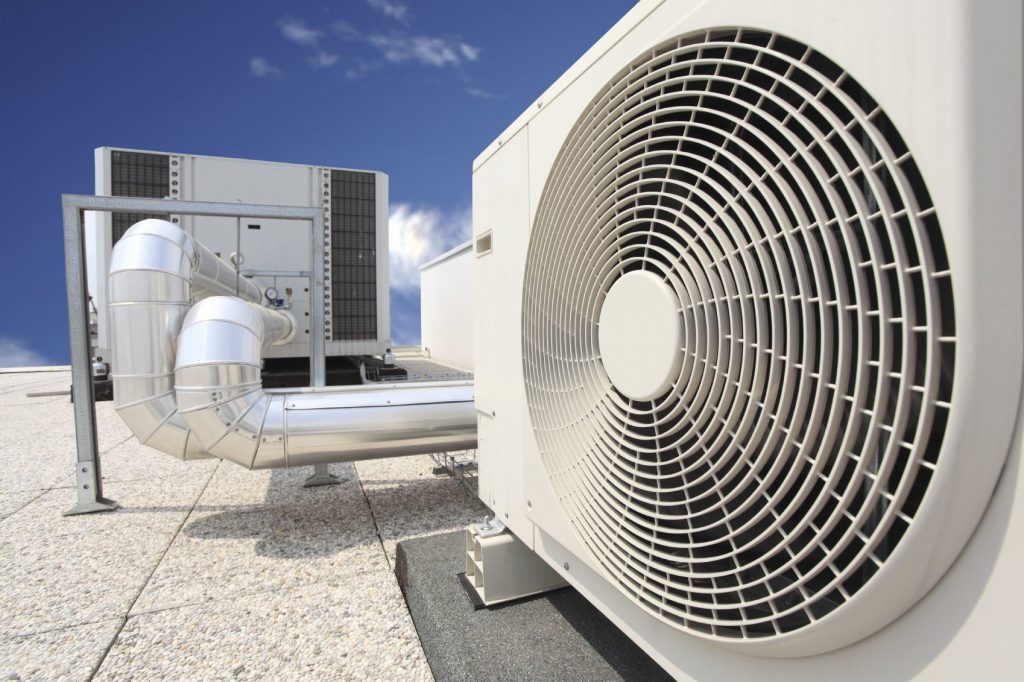
As the summer sun starts to mellow, It’s easy to forget about the appliance that worked so hard to keep you cool: Your Air Conditioner. While you may be tempted to give your AC a break until next year, taking a few simple steps now can make a big difference for its long-term health and efficiency. 1. Change your air filter: This is one of the easiest and most important tasks. A clean filter ensures proper airflow, which helps your AC run more efficiently and improves your home’s air quality. 2. Clear the air around the Outdoor unit: Take a few minutes to remove leaves, grass clippings and other debris that can block airflow and make your unit work harder than it needs to. 3. Listen to Odd Noises: Before you turn your system off for the season, pay attention to any unusual sounds. Rattling, grinding or squealing noises can be an early warning sign of a problem that needs a professional’s attention. Taking these small steps now can help prevent bigger issues down the line. In our next post, we’ll dive deeper into the critical importance of the PRE-SEASON CHECK UP and why preparing your AC before the cold hits can save you time, money and a lot of headaches. There is a second half to late summer AC care, and it is the part you cannot do from the driveway. After three months of near constant runtime, what needs checking on a Maryland system is the condensate drain, the run capacitor, and a charge that has slipped all season. In Silver Spring, Shemtov Systems takes those calls at 240-355-3333. Key takeaways A humid Maryland summer leaves standing water and biofilm in the condensate pan and drain line. Run capacitors fade gradually, so a marginal one usually quits late in a hot season. A charge that keeps dropping means a leak; topping it off each August pays for it twice. September is an easier month than January to replace an aging system. Shut a cooling only system off at the thermostat, but never a heat pump. What does a full cooling season do to your system by August? By late August a Montgomery County air conditioner has run most days since early June, and the runtime shows up where you cannot see it. The outdoor coil collects a season of pollen, grass dust, and lint, which makes heat harder to reject and pushes pressures and compressor temperature up. Contactors, bearings, and capacitors have added hundreds of hours. None of it is visible until someone measures the unit and finds lost capacity and higher current draw. Why do condensate drains and pans cause trouble after a humid summer? A humid house sends gallons of water a day down one shallow pan and one narrow drain line. EPA mold and moisture guidance puts the task plainly: keep air conditioning drip pans clean and the drain lines unobstructed and flowing properly. Over a Maryland summer that line grows a film of algae and dust, then backs up, and with an attic air handler the overflow lands on a ceiling. Clearing it is routine central air conditioning service. Why do capacitors so often fail at the end of a hot season? The run capacitor is the cylinder in the outdoor cabinet that keeps the compressor and fan motors turning, and it is energized every minute the system runs. Capacitance drifts down with age, so one already marginal in June can fall below what the motors need by Labor Day. Watch for a fan that hums without starting, a compressor that tries and stops, or a bulged capacitor top. A weak one also makes the motor draw more current and run hotter. What does a slowly declining refrigerant charge look like? A low charge rarely announces itself. Cooling weakens each season, run times stretch out, and frost can appear on the suction line or the indoor coil as evaporator pressure falls. Federal rules prohibit venting refrigerant during service, but the leak repair requirements reach only appliances holding 50 pounds or more, which no house system does. Sealing it is still the right call: a leak will not close on its own, and a system running low sends back less cool vapor to cool the compressor. Is late summer the right time to replace instead of repair? Often yes. Choosing in September means you are not picking equipment in a heat wave or a cold snap, and there is time to size the replacement from a room by room load calculation instead of copying the old nameplate. A changeout now also gets the heating side started, tested, and adjusted before real cold arrives. If a large repair is on the table, weigh it against our guides to how long HVAC systems last and HVAC replacement costs in Maryland. How do you shut an air conditioner down for the season? Move the thermostat from cool to off, not just up, so it cannot short cycle on a warm October day. A heat pump is the exception: it heats the house all winter, so shut nothing down. Ask your technician before cutting power at the outdoor disconnect, since some units have a crankcase heater that needs hours of power before restart. If you cover the condenser, cover the top only. Book the fall visit; see how often to service an HVAC system. Frequently asked questions Is September too late for an AC tune-up? No. A late visit catches what the summer wore out, and it is still warm enough to test cooling under load. It also clears the drain before the system sits idle. Water is dripping near my indoor unit. What should I do? Turn the system off at the thermostat so it stops making condensate, then call. Running it with a blocked drain pushes water into the cabinet and onto whatever is below. Can I clear a condensate drain line myself? Sometimes. Hold a wet vacuum on the drain outlet outside for a minute,