
Getting more comfort and lower bills from the system you already have
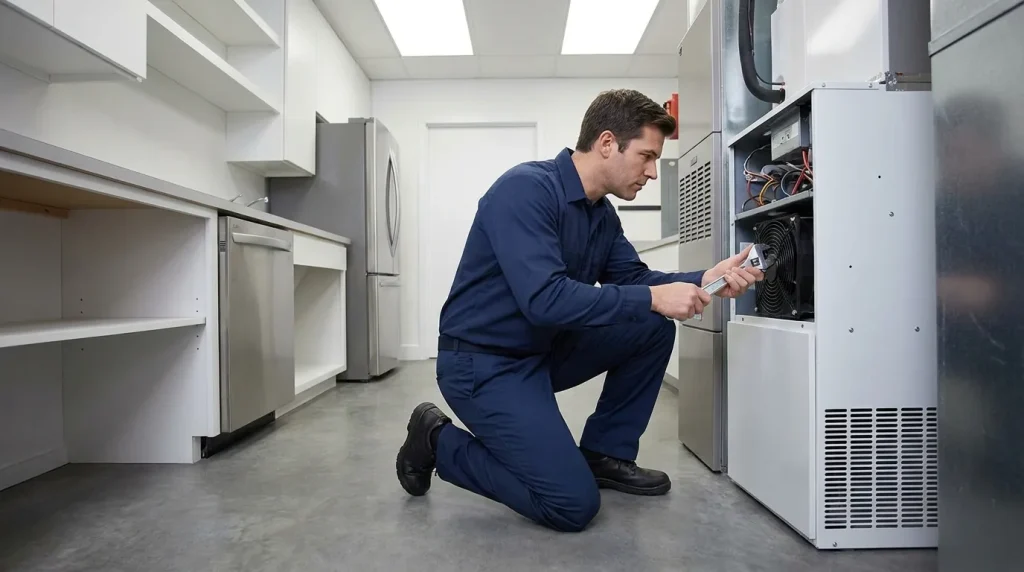
Before shopping for equipment, find out what limits the one you own. A room that never feels right usually traces to how air is delivered and returned, to what the ducts lose, or to the building itself, and each costs less to fix than a replacement. Shemtov Systems measures all three before anyone quotes equipment; the line is 240-355-3333. Key takeaways Most comfort complaints are delivery problems: the output is made and never arrives. A shut bedroom door can pressurize the room and push its supply air outdoors. Maryland’s energy code has new duct work outside the insulated shell pressure tested. An attic takes supply air twice: through the leaks, then the duct wall. Air sealing and insulation are worth up to 10 percent of a yearly bill, per ENERGY STAR. Which part of the system is failing the back bedroom? Four suspects sit behind a comfort complaint: what the equipment produces, the supply path carrying it, the return path feeding the blower, and the house that gives it back. Separating them costs a thermometer and a week. Log the room and the outdoor reading, morning and night. A gap that widens as the weather turns points at the envelope or at ducts crossing unconditioned space; a room a fixed distance behind in every season is short of air. Bring both records, and any load calculation the house has. How do you find out what the ducts are losing? Ducts crossing an attic, crawlspace, or garage leak at seams, boots, and plenum joints, then lose again by conduction through a thin duct wall into air far hotter than the shade outside. None of it shows from the living space, which is why Maryland’s energy code, based on the 2021 IECC, has duct work outside the insulated shell pressure tested. A duct pressure test puts an older house on that footing: seal the registers, pressurize to 25 Pascals, read the leakage off a calibrated fan. Where does the air go once a bedroom door is shut? Supply air has to leave a room or it stops entering it. Close the door on a bedroom with a register and no return and the room pressurizes; the pressure pushes conditioned air out through whatever the walls and ceiling leak into, while the rest of the house goes negative and pulls outdoor air in to match. It is why a room can be fine by day, wrong overnight. The remedies are small: a door undercut, a transfer grille, a jump duct, all part of the return and supply layout. Can dampers or a second zone fix a hot upstairs? Often, and without new equipment. The work is measurement, not guesswork: read what each register actually delivers, then set the branch dampers so rooms with a surplus hand some of it to rooms that are short. On a two-story Silver Spring house that alone closes much of a summer gap between floors. When no surplus is left, the next step is control instead of capacity: zoning dampers give each floor its own call, and a ductless indoor unit serves a converted attic. Why is the building itself the cheaper half of the job? Comfort has two sides and only one is mechanical; the other is how fast the building gives back what you paid to make. ENERGY STAR puts the savings from sealing air leaks and adding insulation at up to 10 percent of an annual energy bill, none of it tied to which brand you buy. In older Silver Spring houses the leaks worth chasing are large, hidden, and dull: open stud bays behind attic knee walls, the chase around a chimney, an unweatherstripped attic hatch. When has the equipment earned its replacement? Maintenance keeps paying while repairs stay occasional and the system still holds temperature and humidity through a hot week. The signal to stop spending is repetition: the same unit back on the schedule two or three times in a season, a different part each time. That is a judgement about one machine’s history, not about its age. Our equipment lifespan guide and replacement cost guide carry it further. Frequently asked questions Will a bigger blower push more air to the far bedroom? Rarely. A blower moves only what its ductwork lets it move, so more speed against the same restriction buys noise at the nearest registers before anything reaches the far end. Is duct sealing worth doing if I plan to replace the system soon? Usually. Ductwork outlives the equipment bolted to it, so the sealing carries over and hands whoever sizes the next system a house that behaves predictably. My house passed a duct test when it was built. Do I need another? Possibly. That test covered the duct work as installed. Later attic work, recessed lights, or a re-roof opens joints, and flex that slipped off a boot leaks whatever the original number was. How much difference between rooms should I accept? A degree or two on one floor is ordinary, and a few degrees between floors in summer is common. Five or more degrees off in both seasons is a distribution problem. If one room never comes right, or the bills moved without your habits moving, the honest first step is measurement rather than a quote for equipment. Shemtov Systems is family owned, licensed and insured in Maryland and Washington DC, and NATE-certified. The company has worked Silver Spring and Montgomery County since 1981. Outside office hours a 24-hour answering service still logs the job, on 240-355-3333.
Keep Your Family Warm This Winter – With Trustworthy Care from Shemtov Systems!
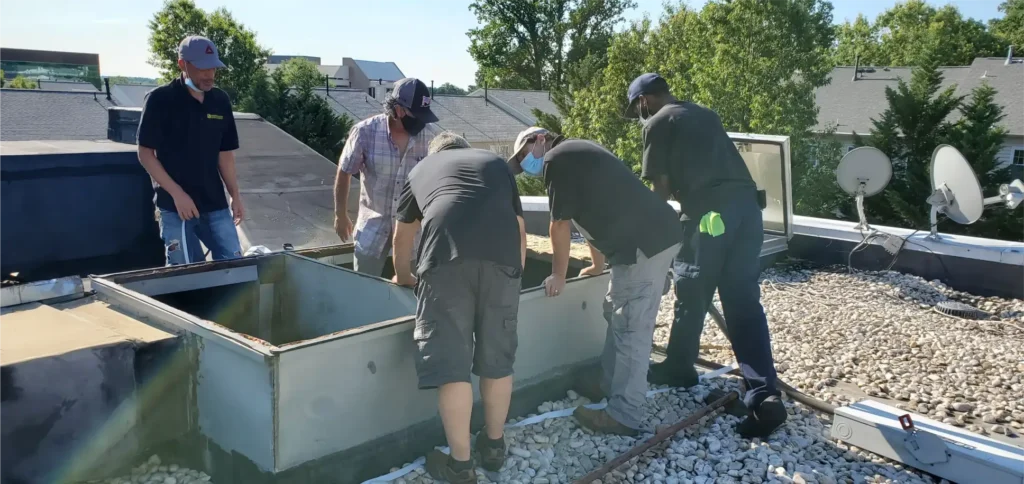
Fall is the perfect time to make sure your home is ready for the colder months. At Shemtov Systems, we treat every home like our own – with honest service, no upselling, and a real commitment to your family’s comfort and safety. A fall HVAC tune-up prevents last-minute breakdowns, keeps your system running efficiently, and gives you peace of mind before winter arrives. We’re a local family-run company trusted by Maryland families for reliable heating and cooling, year after year. Book your fall check-up now and stay warm all season, with people you can truly trust. Shemtov Systems: family values, professional service! A fall heating tune-up is mostly a combustion safety check, not a filter swap. On a gas furnace the technician inspects the heat exchanger and combustion chamber, checks the venting, tests for carbon monoxide, adjusts fuel input and flame, and cleans the blower. NOAA’s current climate normals put the median first 32F night on October 19 at Dulles and November 17 at Reagan National. Shemtov Systems books fall heating work across Silver Spring and Montgomery County at 240-355-3333. Key takeaways A heating tune-up is mainly a safety inspection: heat exchanger, venting, carbon monoxide. Maryland’s alarm law covers rentals and newer fuel-burning homes, not most older ones. A furnace idle since spring fails on dull faults: a filmed flame sensor, a plugged condensate trap. Below its balance point a heat pump runs on strip heat; long cycles and defrost are normal. If heat quits overnight, never warm the house with a gas oven, and protect exposed pipes. What does a fall heating tune-up actually include? The Department of Energy’s furnace and boiler guidance is a fair yardstick. Every system gets the vent pipe and chimney checked, plus the physical integrity of the heat exchanger. Forced-air work adds a crack check on the combustion chamber, a carbon monoxide test, fuel input and flame characteristics, blower control and supply-air temperature, blower cleaning and oiling, soot removal, and duct-joint sealing. Ask what a quoted furnace service covers. Why does an idle furnace fail on the first cold night? Nothing about a furnace improves while it sits. Over a humid Maryland summer a film forms on the flame sensor, so the burner lights and drops out seconds later. Blower bearings stiffen. A cracked ignitor finally opens. On a condensing furnace the condensate trap dries out, then plugs on the first run. Run the heat for an hour in early fall, while parts are still easy to get. How do you know the heat exchanger is not leaking carbon monoxide? Not by smell. The heat exchanger separates combustion gases from the air you breathe, and the Department of Energy warns that a leaking one mixes those gases into house air and can cause carbon monoxide poisoning. Cracks are not always visible, so a technician watches the flame as the blower starts and measures carbon monoxide in the flue and living space. An alarm is a backstop, not a substitute. Where does Maryland require carbon monoxide alarms? Maryland’s Public Safety Article covers rentals and hotels, plus dwellings permitted since January 1, 2008 that burn a fossil fuel for heat, ventilation, hot water, or a dryer. Rentals have needed an alarm outside each sleeping area and on every level, basement included, since April 1, 2018. Older owner-occupied houses often sit outside it, so follow the CPSC: battery backup, every level, outside sleeping areas. How does a heat pump behave differently in a Maryland winter? Every heat pump has a balance point, the outdoor temperature where its output equals the house’s heat loss, which DOE puts well below 40F for code-built homes. Below it, electric strips cover the gap at roughly 3,400 Btu per kilowatt-hour against 10,300 for a 10.3 HSPF unit, now labeled as a lower HSPF2 number. Defrost cycles are normal; strip heat in mild weather is not. DOE says many controls fire the strips on any thermostat change over three degrees. What should you do if the heat fails overnight? Call it in; the 24-hour answering service takes no-heat calls at 240-355-3333. Do not improvise heat: Ready.gov says never heat a home with a gas stovetop or oven, and to run generators outdoors, at least 20 feet from windows, doors, and attached garages. Then the plumbing: pipes in crawl spaces, garages, and exterior walls freeze first. Open cabinets under sinks on outside walls, let one faucet drip, and find the main shutoff. Frequently asked questions What can I check myself before calling? Thermostat batteries, the switch from cool to heat, the service switch, and the breaker. Then the filter: the EPA treats MERV 13 as a floor, capped by what your blower and slot can pass. See our thermostat settings guide. Why does my furnace smell like burning dust on the first run? Summer dust burning off hot metal; it usually clears within an hour. A lingering smell, or an electrical, oily, or gas odor, is different: shut the system down and read our signs your HVAC needs repair guide. What are the symptoms of carbon monoxide poisoning? The CPSC lists headache, dizziness, weakness, nausea, vomiting, sleepiness, and confusion, easy to mistake for a winter bug. Get everyone outside to fresh air, then call 911. Should I switch a heat pump to emergency heat when it gets cold? No. On an all-electric system it locks out the compressor and runs only costly strip heat. Save it for an outdoor unit that is dead or iced solid. To book heating service in Silver Spring, Olney, or anywhere in Montgomery County, call Shemtov Systems at 240-355-3333. Book the inspection before the first freeze, not after it.
A late summer guide to your AC
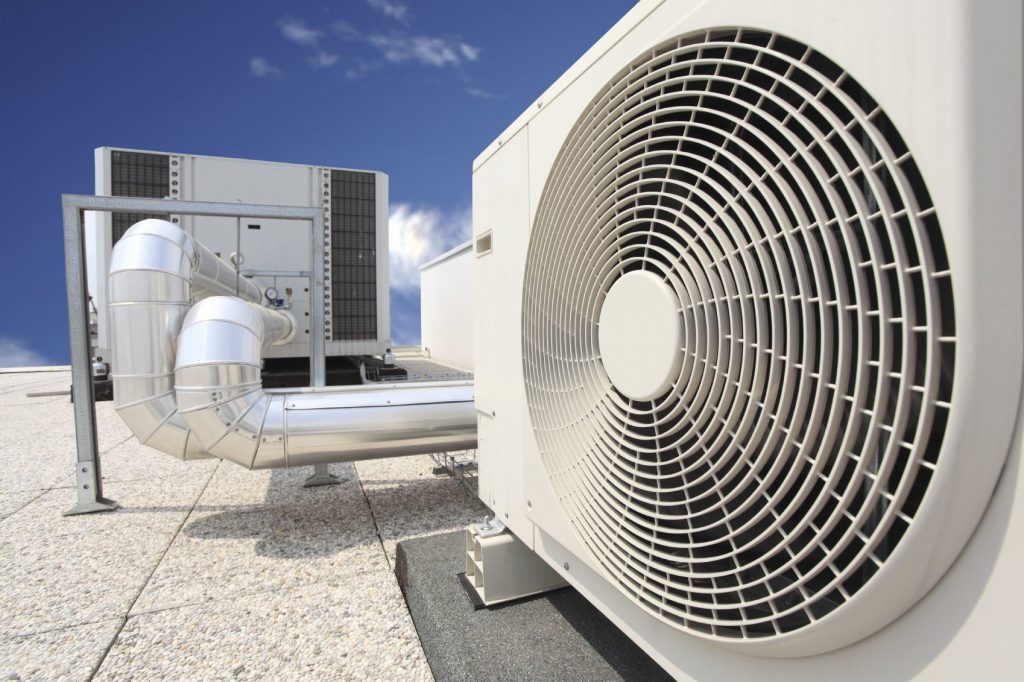
As the summer sun starts to mellow, It’s easy to forget about the appliance that worked so hard to keep you cool: Your Air Conditioner. While you may be tempted to give your AC a break until next year, taking a few simple steps now can make a big difference for its long-term health and efficiency. 1. Change your air filter: This is one of the easiest and most important tasks. A clean filter ensures proper airflow, which helps your AC run more efficiently and improves your home’s air quality. 2. Clear the air around the Outdoor unit: Take a few minutes to remove leaves, grass clippings and other debris that can block airflow and make your unit work harder than it needs to. 3. Listen to Odd Noises: Before you turn your system off for the season, pay attention to any unusual sounds. Rattling, grinding or squealing noises can be an early warning sign of a problem that needs a professional’s attention. Taking these small steps now can help prevent bigger issues down the line. In our next post, we’ll dive deeper into the critical importance of the PRE-SEASON CHECK UP and why preparing your AC before the cold hits can save you time, money and a lot of headaches. There is a second half to late summer AC care, and it is the part you cannot do from the driveway. After three months of near constant runtime, what needs checking on a Maryland system is the condensate drain, the run capacitor, and a charge that has slipped all season. In Silver Spring, Shemtov Systems takes those calls at 240-355-3333. Key takeaways A humid Maryland summer leaves standing water and biofilm in the condensate pan and drain line. Run capacitors fade gradually, so a marginal one usually quits late in a hot season. A charge that keeps dropping means a leak; topping it off each August pays for it twice. September is an easier month than January to replace an aging system. Shut a cooling only system off at the thermostat, but never a heat pump. What does a full cooling season do to your system by August? By late August a Montgomery County air conditioner has run most days since early June, and the runtime shows up where you cannot see it. The outdoor coil collects a season of pollen, grass dust, and lint, which makes heat harder to reject and pushes pressures and compressor temperature up. Contactors, bearings, and capacitors have added hundreds of hours. None of it is visible until someone measures the unit and finds lost capacity and higher current draw. Why do condensate drains and pans cause trouble after a humid summer? A humid house sends gallons of water a day down one shallow pan and one narrow drain line. EPA mold and moisture guidance puts the task plainly: keep air conditioning drip pans clean and the drain lines unobstructed and flowing properly. Over a Maryland summer that line grows a film of algae and dust, then backs up, and with an attic air handler the overflow lands on a ceiling. Clearing it is routine central air conditioning service. Why do capacitors so often fail at the end of a hot season? The run capacitor is the cylinder in the outdoor cabinet that keeps the compressor and fan motors turning, and it is energized every minute the system runs. Capacitance drifts down with age, so one already marginal in June can fall below what the motors need by Labor Day. Watch for a fan that hums without starting, a compressor that tries and stops, or a bulged capacitor top. A weak one also makes the motor draw more current and run hotter. What does a slowly declining refrigerant charge look like? A low charge rarely announces itself. Cooling weakens each season, run times stretch out, and frost can appear on the suction line or the indoor coil as evaporator pressure falls. Federal rules prohibit venting refrigerant during service, but the leak repair requirements reach only appliances holding 50 pounds or more, which no house system does. Sealing it is still the right call: a leak will not close on its own, and a system running low sends back less cool vapor to cool the compressor. Is late summer the right time to replace instead of repair? Often yes. Choosing in September means you are not picking equipment in a heat wave or a cold snap, and there is time to size the replacement from a room by room load calculation instead of copying the old nameplate. A changeout now also gets the heating side started, tested, and adjusted before real cold arrives. If a large repair is on the table, weigh it against our guides to how long HVAC systems last and HVAC replacement costs in Maryland. How do you shut an air conditioner down for the season? Move the thermostat from cool to off, not just up, so it cannot short cycle on a warm October day. A heat pump is the exception: it heats the house all winter, so shut nothing down. Ask your technician before cutting power at the outdoor disconnect, since some units have a crankcase heater that needs hours of power before restart. If you cover the condenser, cover the top only. Book the fall visit; see how often to service an HVAC system. Frequently asked questions Is September too late for an AC tune-up? No. A late visit catches what the summer wore out, and it is still warm enough to test cooling under load. It also clears the drain before the system sits idle. Water is dripping near my indoor unit. What should I do? Turn the system off at the thermostat so it stops making condensate, then call. Running it with a blocked drain pushes water into the cabinet and onto whatever is below. Can I clear a condensate drain line myself? Sometimes. Hold a wet vacuum on the drain outlet outside for a minute,
5 Common AC Myths – Busted!

Many homeowners believe things about their AC that just aren’t true – and those myths can cost you money and comfort. Let’s clear things up! “Bigger units cool better.” Actually, oversized ACs short cycle, wasting energy and wearing out faster. Proper sizing is key for efficient cooling. “Change filters only when they look dirty.” Your AC’s airflow drops long before you see dirt. Changing filters every month keeps your system healthy and efficient. “Turning the thermostat way down cools the home faster.” Your AC runs at a fixed speed no matter the setting, so setting it lower just makes it run longer. “Closing vents in unused rooms saves energy.” Closing vents disrupts airflow, creating pressure problems that strain your system. “If it’s working, skip maintenance.” Routine maintenance catches issues early and extends your system’s life, saving you from costly repairs. The five myths above miss the same thing: an air conditioner is a dehumidifier as much as a cooler, and each myth shortens the run time that removes moisture. Here is what happens inside the equipment, plus three more myths worth knowing. For a straight answer in Montgomery County, Shemtov Systems is on 240-355-3333. Key takeaways Removing moisture takes run time, so anything that shortens run time costs comfort and money. No thermostat setting changes how fast equipment removes heat, only how long it runs. A fan makes people feel cooler without removing heat, so one in an empty room is waste. Refrigerant is not a consumable, so a system that wants charge every summer is leaking. Why does extra capacity leave a house cool and damp? Water leaves the air only once the indoor coil has been running long enough to be thoroughly wet. Too much capacity reaches the setpoint before that, so the temperature drops and the moisture stays. Test it on a 90 degree afternoon: right-sized cooling runs in long stretches, not eight minute bursts. Our guide to sizing the equipment properly covers the load calculation. Why change a filter that still looks clean? Pleated media loads through its depth, not just at the surface, so resistance climbs well before a filter looks dirty. The blower answers by moving less air over the coil, which stretches cycles and can frost it. Replace on a schedule and write the install date on the frame. Intervals are in our guide to how often to service a system. Does setting the thermostat to 65 cool the house faster? No. A single stage compressor has one capacity, so it removes the same heat per hour at 65 as at 74. The lower number changes only how long it runs. Variable speed equipment modulates, but never above its rating. A house that never reaches its setpoint has a capacity, airflow, or charge problem, not a thermostat problem. The setpoint guide has the numbers. Does shutting a spare room’s register save anything? Closing registers does not lighten the blower’s job; it raises static pressure in the ducts, and that pressure forces more air out through seams and joints. Where ducts cross an attic or crawl space, that air is lost outdoors. The closed room still trades heat through its walls, so you never stop paying for it. Balancing, zoning, and duct pressure testing are the real fixes. Why does a system that seems fine need maintenance? Because performance drifts rather than fails. A tune-up is measurement: motor current against the nameplate, static pressure across filter and coil, and the drop from return air to supply air, which commonly sits near 16 to 22 degrees and runs lower in humid weather. Numbers outside those bands flag what kills compressors; see what shortens equipment life and Shemtov Systems service agreements. Do ceiling fans actually cool a room? No. A fan removes no heat from a room; the electricity its motor uses ends up there as heat. It moves air across skin so perspiration evaporates faster, which is the cooling you feel. Used well it lets you sit at a higher setting, so the compressor runs less. Check the reversing switch too: in summer the blades should push air down. Is a higher MERV filter always better? Not always. MERV scores how much of the 0.3 to 10 micron range a filter captures, on a scale of 1 to 16, so a higher number catches finer particles. EPA puts the target at MERV 13. The ceiling is what your equipment can breathe through: whistling at the return, weak airflow, or a filter bowed inward means it is too restrictive. Does an AC need refrigerant topped up every year? No. Refrigerant is not consumed; it circulates and returns. A system that wants charge every summer is leaking, and adding a pound a year is not a repair. A proper fix means finding the leak with a detector or a nitrogen pressure test, sealing it, pulling a vacuum, then weighing in the nameplate charge. See air conditioning service in Silver Spring. Frequently asked questions My air conditioner is icing over. Can I keep running it? No. Switch cooling off, run the fan until the ice melts, then look for a loaded filter, closed registers, or low charge. An iced coil sends liquid refrigerant back to the compressor. Does shading or covering the outdoor unit help it work better? Very little, and only if the shade never blocks airflow. The condenser pulls air through every side of its cabinet and discharges upward, so keep it clear and never run it covered. Can I buy refrigerant and top up my own system? No. Since January 1, 2018 the EPA sales restriction has covered refrigerants such as R-410A, which may be sold only to a Section 608 certified technician or an employer of one. If one of these myths shaped how you run your system, measurement beats opinion. Shemtov Systems has served Montgomery County since 1981, with NATE-certified technicians, licensed and insured in Maryland and Washington DC, and a 24-hour answering service on 240-355-3333.
What Is the Ideal Temperature for Your Home?

Finding the perfect balance between staying cool and saving on electricity can be a challenge. Experts agree that the ideal temperature for your home in the summer is 78°F (around 25°C). This setting provides comfort while keeping your energy bills in check. For every degree you lower your thermostat below this point, your energy costs can increase by as much as 3%! Smart Tips to Save Money and Stay Cool * Maintain Your System: A clean AC is an efficient one. Clean or replace your air filters regularly (every 1-3 months) to improve performance and lower energy consumption. * Strategic Cooling: Use blinds and curtains to block direct sunlight during the hottest parts of the day. This simple step keeps your home from heating up naturally and reduces the load on your AC. * Leverage Fans: Use ceiling fans in occupied rooms to supplement your air conditioning and make you feel cooler. By following these simple guidelines, you can enjoy a cool and comfortable home without breaking the bank. Is your AC system ready for the heat? To ensure your air conditioning unit is running as efficiently as possible, a professional tune-up is a great investment. Contact Shemtov Systems today for a consultation or to schedule a maintenance check. We’ll help you prepare your home for the summer and ensure you’re saving on your energy bills all season long. There is no single ideal number, and the figure above is only a starting point. What decides whether a Silver Spring house feels right is the gap you ask the system to hold, the moisture in the air, and whether the thermostat reads air that represents the rooms you use. Call Shemtov Systems at 240-355-3333. Key takeaways The indoor to outdoor gap drives the load, so two or three degrees matter more than the number. Washington area July dew points average about 66F, so moisture decides how a summer house feels. EPA sets the indoor ceiling at 60 percent relative humidity; 30 to 50 is the target. Heat pumps take summer setbacks normally; winter recovery is what stages in costly resistance heat. An empty house still needs a setting: moisture control in summer, a freeze floor near 55F in winter. Why does the gap matter more than the exact number? Heat crosses your walls roughly in proportion to the inside to outside difference, so the gap is what the equipment fights. On a 95F Montgomery County afternoon, holding 74F instead of 78F widens the gap from 17 degrees to 21, close to a quarter more load through the envelope. Window sun and outdoor moisture do not shrink with the setting, so the bill moves by less than a quarter. Our guide to summer and winter settings covers the numbers. How much water is actually in a Maryland summer? More than the temperature suggests. In NOAA’s 1991 to 2020 hourly normals for Reagan National, the July dew point averages about 66F and never leaves the 60s. Holding 78F at 50 percent relative humidity means getting indoor air to a 58F dew point, and the coil only does that while it runs wet. EPA puts the indoor ceiling at 60 percent relative humidity, with 30 to 50 the target. Right-sized equipment dries a house better than an oversized unit that satisfies the thermostat in ten minutes. Do heat pumps really need one steady setting? In heating, mostly. Raise the setpoint several degrees at once on a cold morning and the control stages in electric resistance strips, fixed at 3.412 Btu per watt-hour. An ENERGY STAR certified split-system heat pump must reach at least 7.8 HSPF2, or 7.8 Btu per watt-hour over the rating season, roughly 2.3 times more heat from the same power. In cooling the unit is just an air conditioner, so raising the setting while out saves normally. Ask about heat pump service. What should you set for sleeping in July? Drier than the instinct to open windows suggests. The normal July low at Reagan National is 72.4F with the dew point near 66F overnight, so night air arrives around 80 percent relative humidity. Research comparing humid with dry heat at equal temperatures found humid heat raises wakefulness and cuts REM and slow wave sleep, because sweat cannot evaporate. Dry the air, do not drop the dial. A ductless head in one bedroom gives that room its own control. What should you set when the house is empty for a week? Raise the setting; do not switch the system off. With outdoor air near a 66F dew point, indoor air that drifts to 76F sits around 71 percent relative humidity, and even 80F leaves about 62 percent, both over the EPA ceiling. Surfaces cooler than the dew point then collect water, which is where musty basements begin. Book a seasonal tune-up before a long trip so the drain is clear. How low is safe during a winter cold snap? The floor is set by your plumbing, not your comfort. Your thermostat reads one interior wall; the pipes that freeze sit in crawl spaces, unheated garages, and exterior wall cavities running far colder. During a hard freeze keep the heat on with a floor around 55F even when nobody is home, open any vanity or sink cabinet built against an exterior wall, and leave the most exposed fixture dripping. A system that cannot hold setpoint through a snap deserves a heating service call. Frequently asked questions My thermostat reads 72F but the room feels warm. Why? Often the thermostat itself. Afternoon sun on its wall, a lamp below it, or a supply register aimed at it all bias the reading. Leave a thermometer where you sit and compare for a day; many thermostats accept remote sensors. Will winter humidity let me set the thermostat lower? Usually by a degree or two. Dry air pulls moisture off your skin faster, so a room can read 70F and still feel cool. A whole-house humidifier restores the 30 to 50 percent range automatically. Why
Homeowner guides
Straight answers to the questions we hear most from Montgomery County homeowners.
- What are the signs your furnace or AC needs repair?
- How much does HVAC replacement cost in Maryland?
- Furnace vs. heat pump: which is better for a Maryland home?
- How long do furnaces and air conditioners last?
- How often should you service your HVAC system?
- What size air conditioner do I need for my home?
- Ductless mini-split vs. central air: which is right for you?
- What are the best thermostat settings for summer and winter?
- Why is my AC not cooling?
- Furnace not working or blowing cold air?
Areas we serve
Shemtov Systems covers Montgomery County and the Washington DC metro.